We’ve been providing data on the changing climate for over 20 years. The climate risks we were drawing attention to back then, are happening now — we see it in the accelerating frequency and extremity of droughts and floods. We all need to think about the impacts of a changing climate. Building on a strategic partnership established back in 2022, ClimSystems is now fully owned by SLR – a global environmental and advisory consultancy whose purpose is Making Sustainability Happen.
Who we are
Global leaders in physical climate risk
Trusted and endorsed by some of the world’s largest and most complex organisations, we have worked in climate zones across every continent and a wide range of sectors to deliver climate risk assessments and modelling that makes a meaningful contribution to the twin challenges of climate change and biodiversity loss.
Combined brainstrust of over 210 years of experience in climate change
We bring together climate scientists, data engineers, programmers, meteorologists, earth scientists, economists and business specialists, along with the benefit of insights gained from applied climate model data processed and analysed for thousands of projects, to support informed decision making in a climate changed world.
Complex data turned into knowledge
We bridge the gap between climate science and its practical applications so you can understand your changing climate risk profile and take informed actions to reduce risks and foster climate resilience.
Innovative, new ways to access high-quality, robust atmosphere, land and ocean climate data
We’re leading the way with state-of-the-science, user-friendly software systems designed and developed to identify and assess site-specific and spatial projected climatic risk, mitigation and reduction.
Meet our team
Science
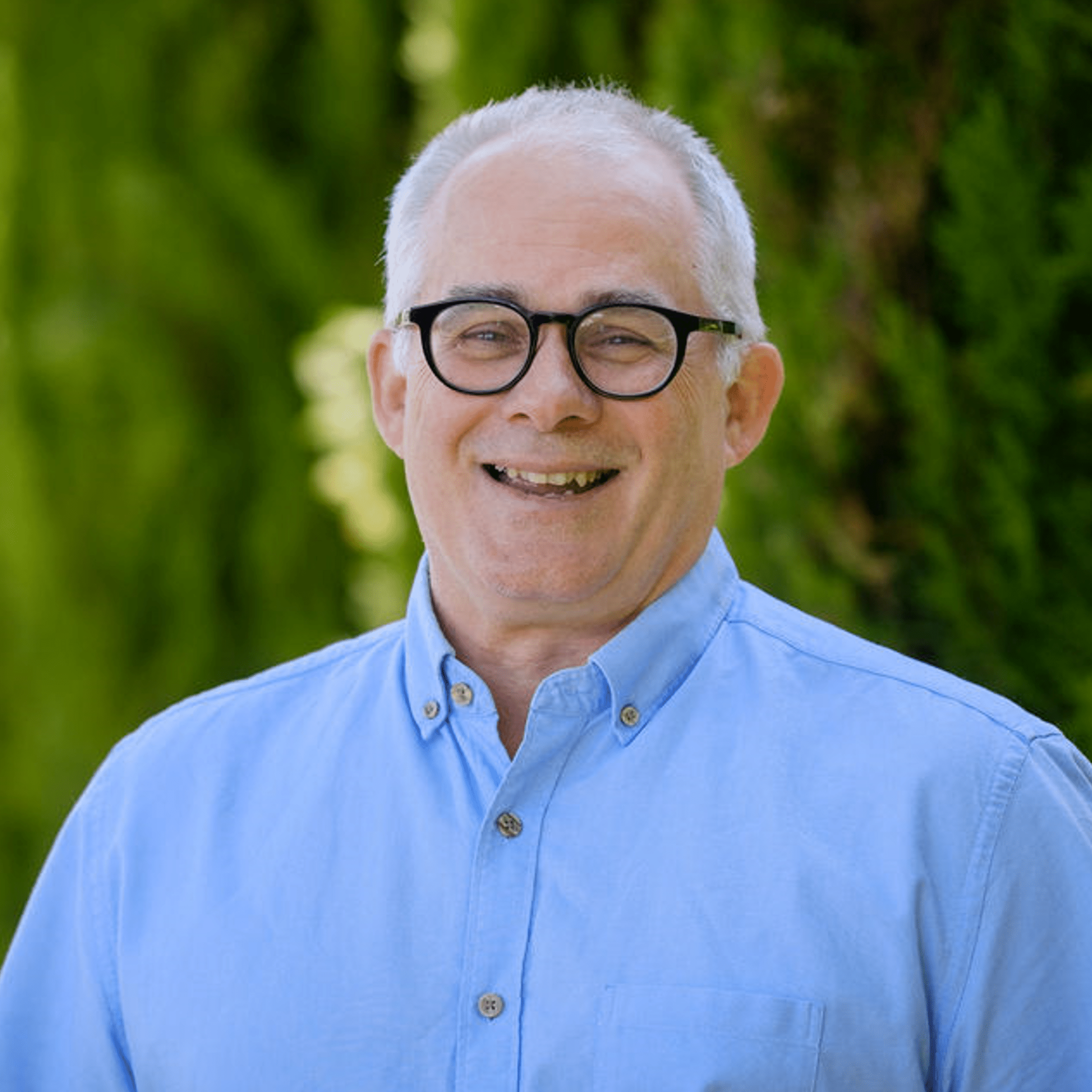
Dr. Peter Urich
Managing Director
Peter has over 20 years’ experience in community development, resource management, climate change adaptation and risk assessment. As Managing Director and a key scientist, he works at the cutting edge of climate science and its application in critical infrastructure projects around the world. Peter holds a PhD in Human Geography from the Research School of Pacific and Asian Studies at the Australian National University.
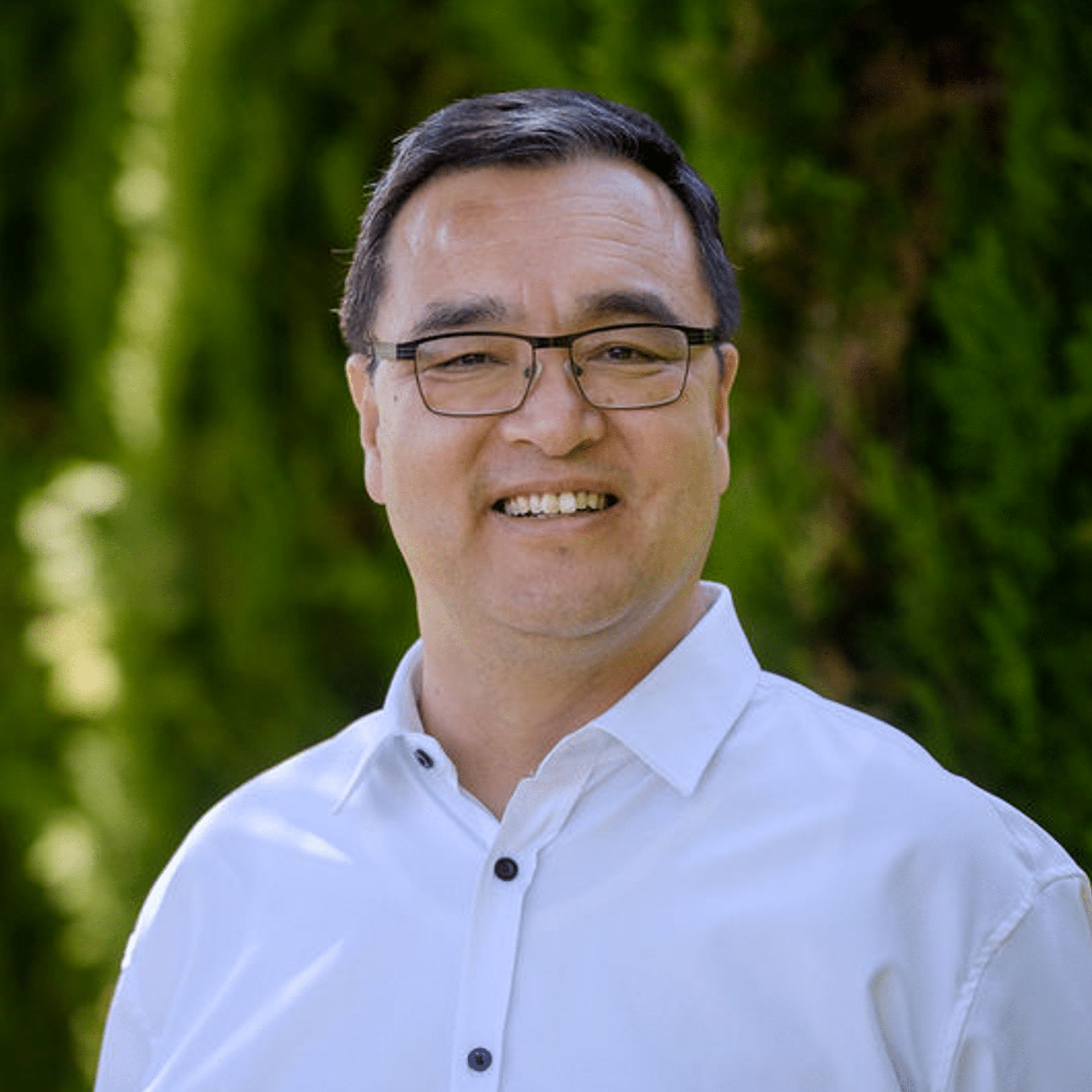
Dr. Yinpeng Li
Chief Climate Scientist
An internationally recognised expert in climate change modelling and adaptation, Yinpeng has worked collaboratively with research scientists and international organisations and companies across different sectors to deliver 40+ projects over the last 20 years. He has a PhD in Ecology and Masters in Agronomy.
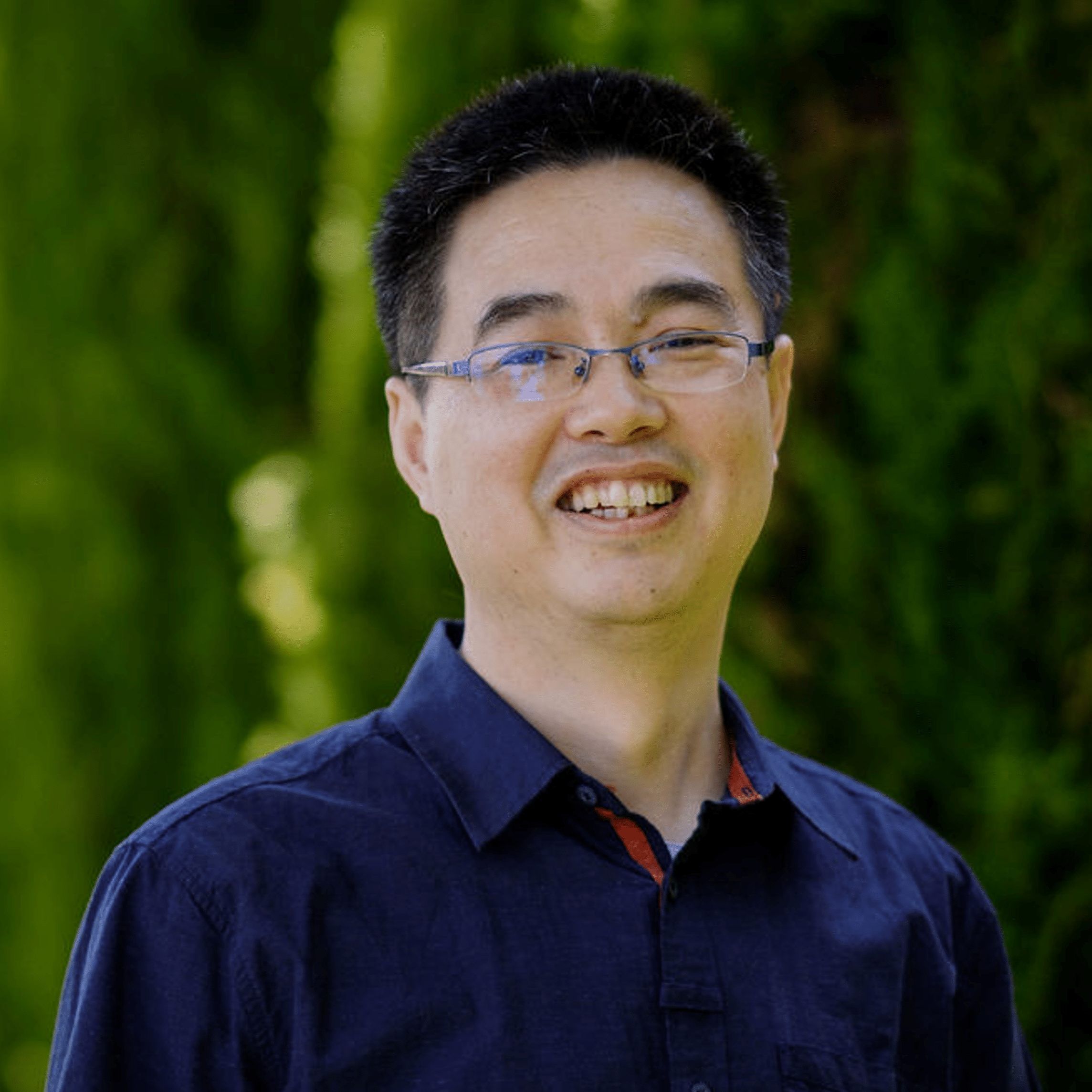
Dr. Chonghua Yin
Lead, Data Sciences
With over 10 years’ experience, Chonghua has developed expertise in climate change data and modelling, and integrated assessment. He holds a PhD in Environmental Science, Master of Meteorology, and a Bachelor of Aerospace Science and Technology.
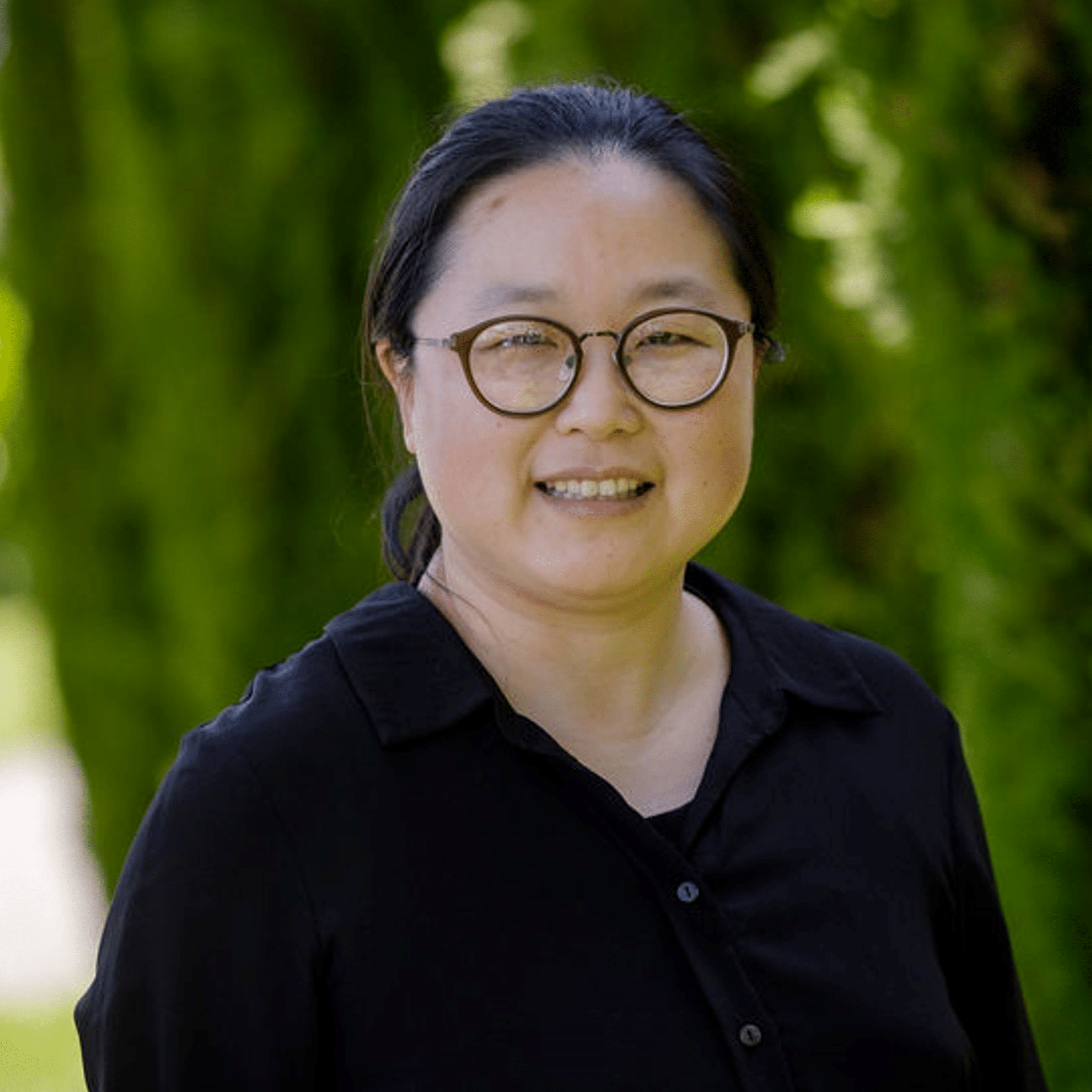
Dr. Meng Wang
Senior Climate/Hydrology Scientist
Meng’s main area of expertise is climate change integrated assessment modelling, with her skills and knowledge developed over her 15+ years’ experience of mathematical and statistical modelling research and scientific programming. She is a research fellow with International Global Change Institute and has a PhD in Climate Science
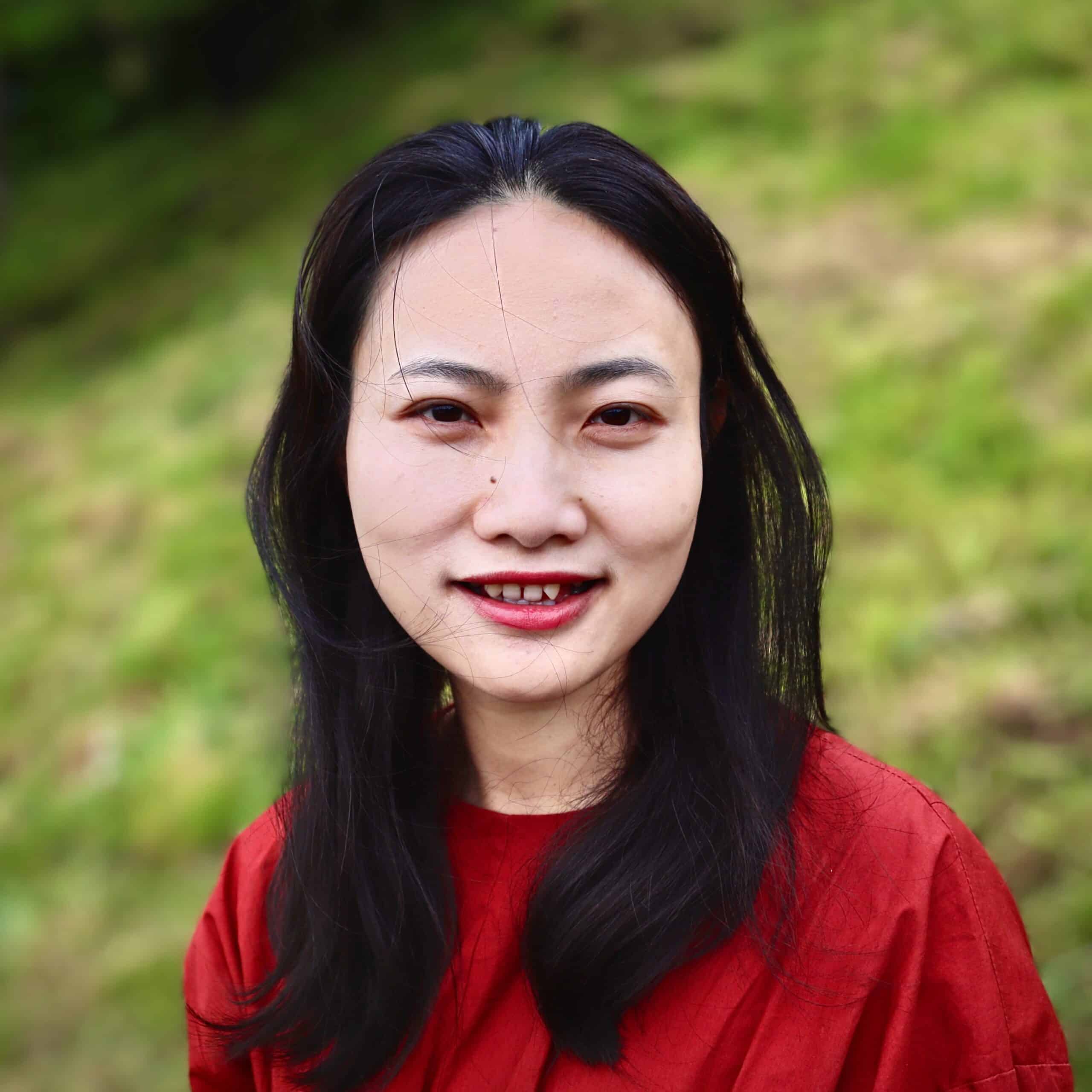
Dr. Wenyu Qiu
Climate Scientist
Wenyu’s expertise is in tropical cyclone simulation and other severe extreme weather research and forecasting. With a PhD in Atmospheric Science and many years’ experience, she undertakes atmospheric research, oceanographic and extreme weather analysis.
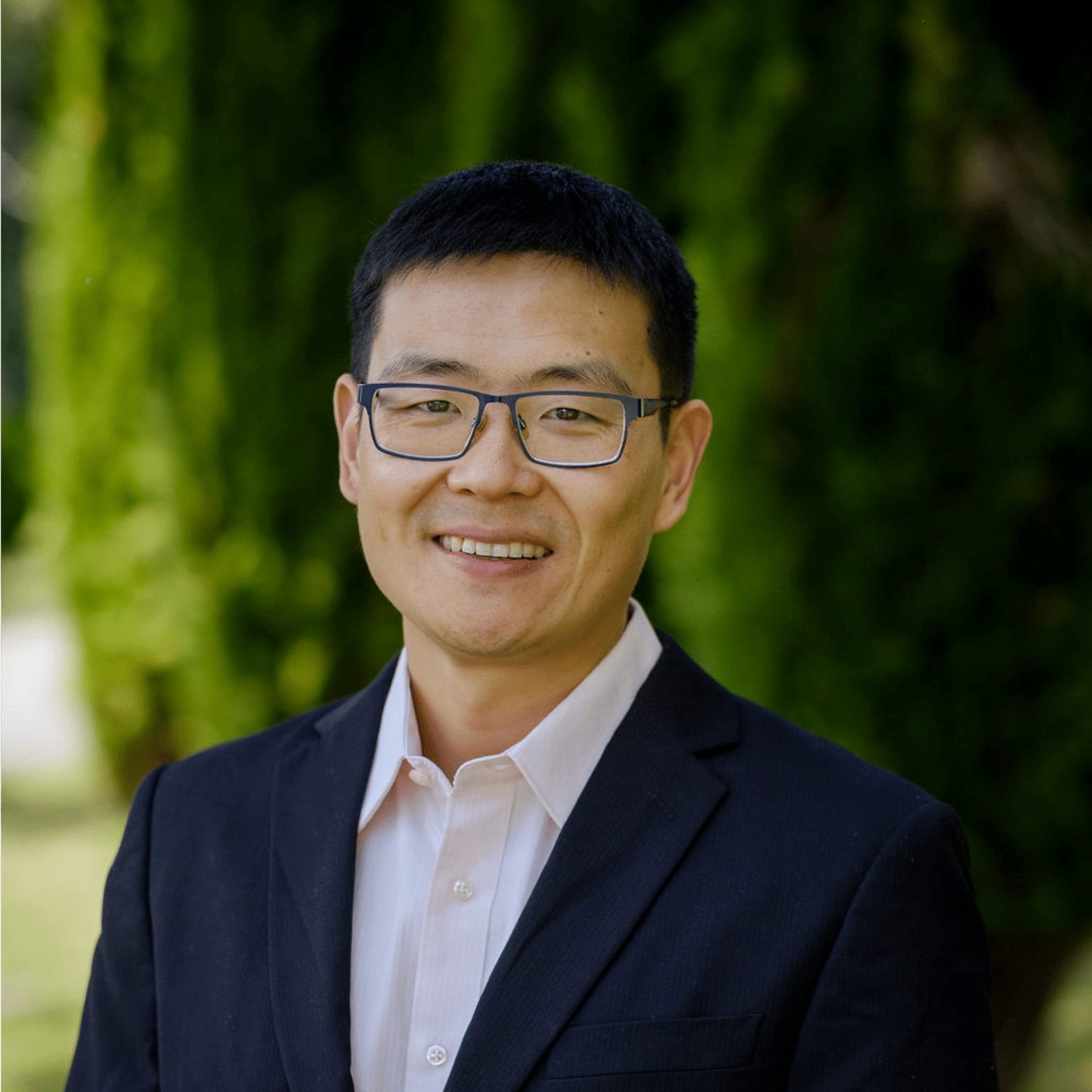
Dr. Xiaobin Hua
Geospatial Modelling Scientist
Xiaobin's expertise includes geospatial analysis, vegetation dynamics, land use/land cover, and GIS & remote sensing applications. He holds a PhD in Geography, a Master of Cartography & GIS, and a Bachelor of Forestry.
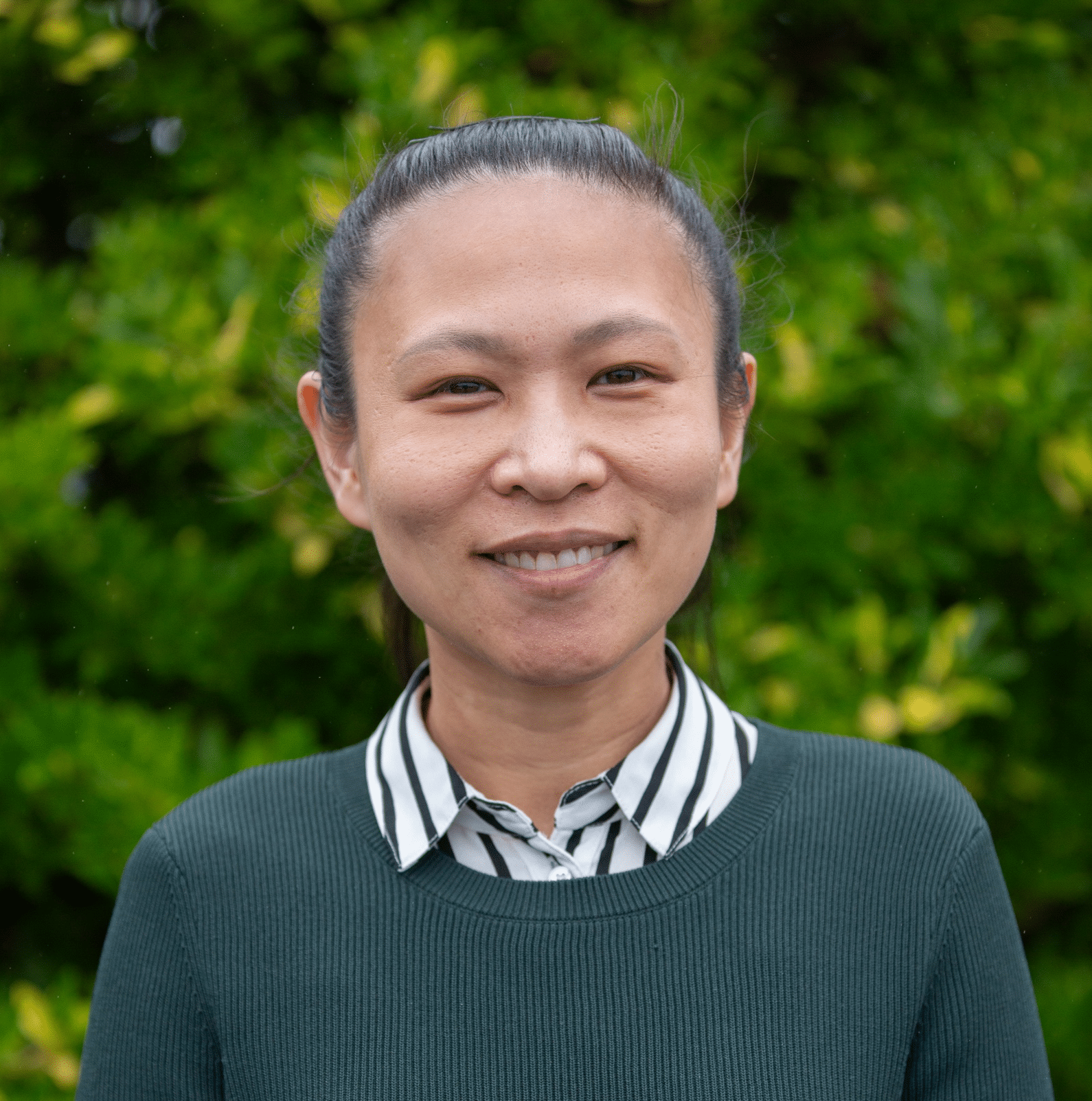
Dr. Wang Me
Hydrologist & Flood Modeller
Dr Wang has a PhD in Hydrology and Water Resources, and ten years of experience in the field. Her expertise is in rainfall, floods and catchment hydrological assessment. She has led and participated in hydrological and hydraulic modelling projects for regional governments, focusing on climate, land use and infrastructure adaptation.
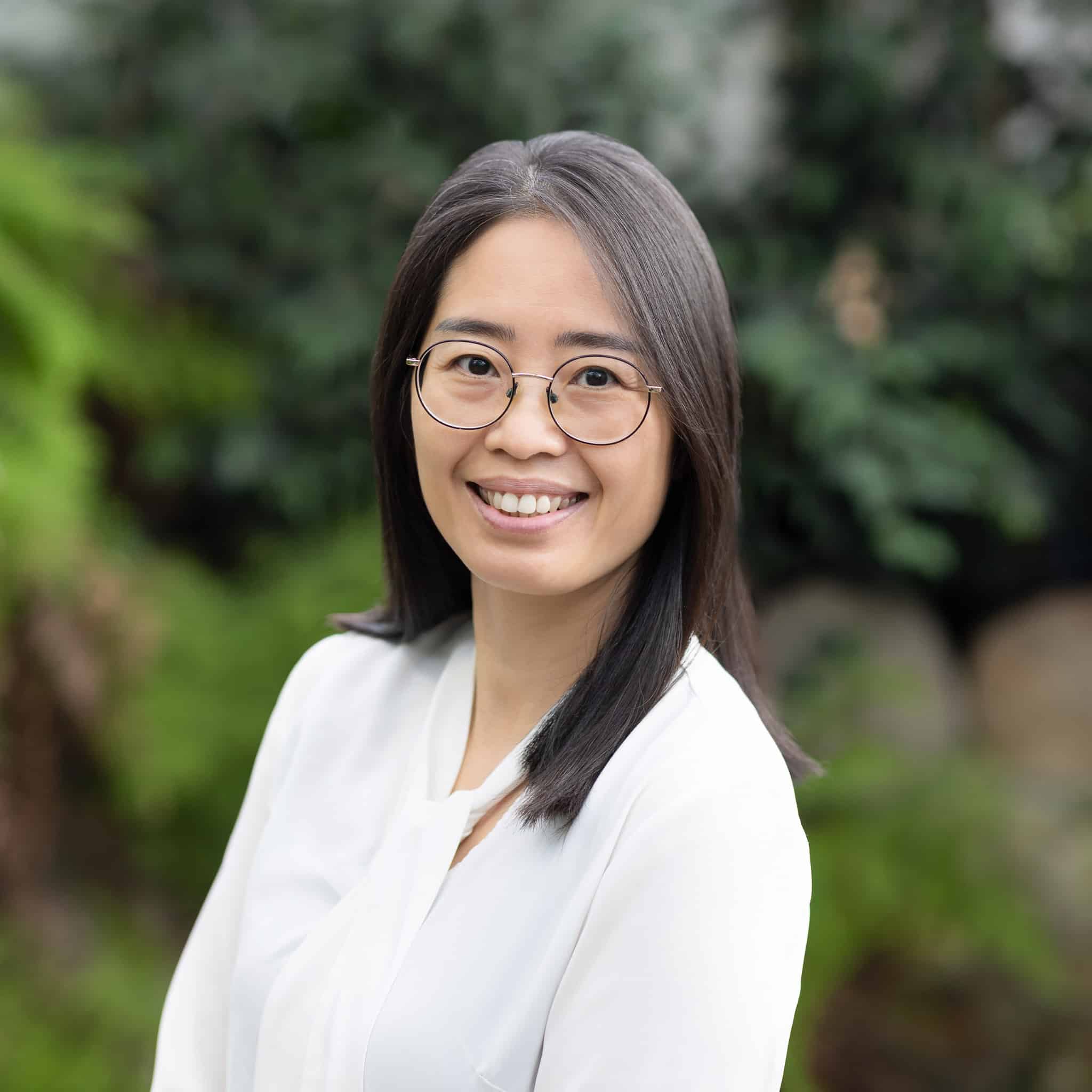
Dr. Hòa Pham
Hydrologist & Flood Modeller
Hòa holds a PhD in Civil and Environmental Engineering, specialising in climate change, an MSc in Environmental Science, PgC in Water Engineering, and a BE in Environmental and Hydrologic Engineering. Her expertise is in drought and flood modelling, water allocation evaluation, and extreme weather adaptation and mitigation. With over ten years of experience in the field, Hòa has developed, led, and executed drought and flood monitoring and forecasting, and water resource management projects for regional governments and the private sector.
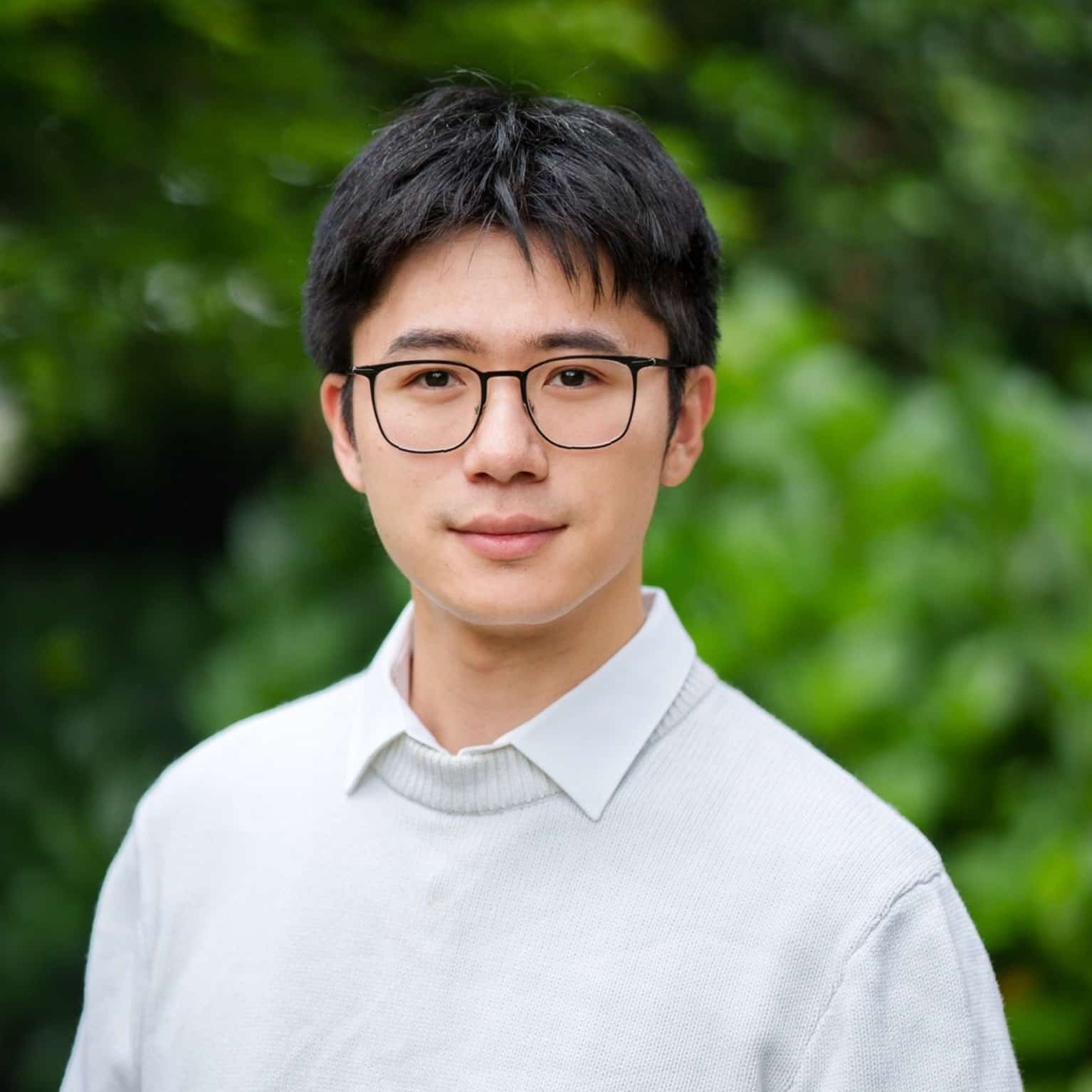
Dr. Qin Huang
Climate Scientist
Qin holds a PhD in Physics, specialising in atmospheric physics with a strong foundation in mathematics. His research investigated the mechanisms of tropical cirrus cloud formation on diurnal and seasonal scales. He is currently working on forecasting hazardous precipitation in the context of climate change, utilising observational and reanalysis data alongside machine learning techniques.
Business
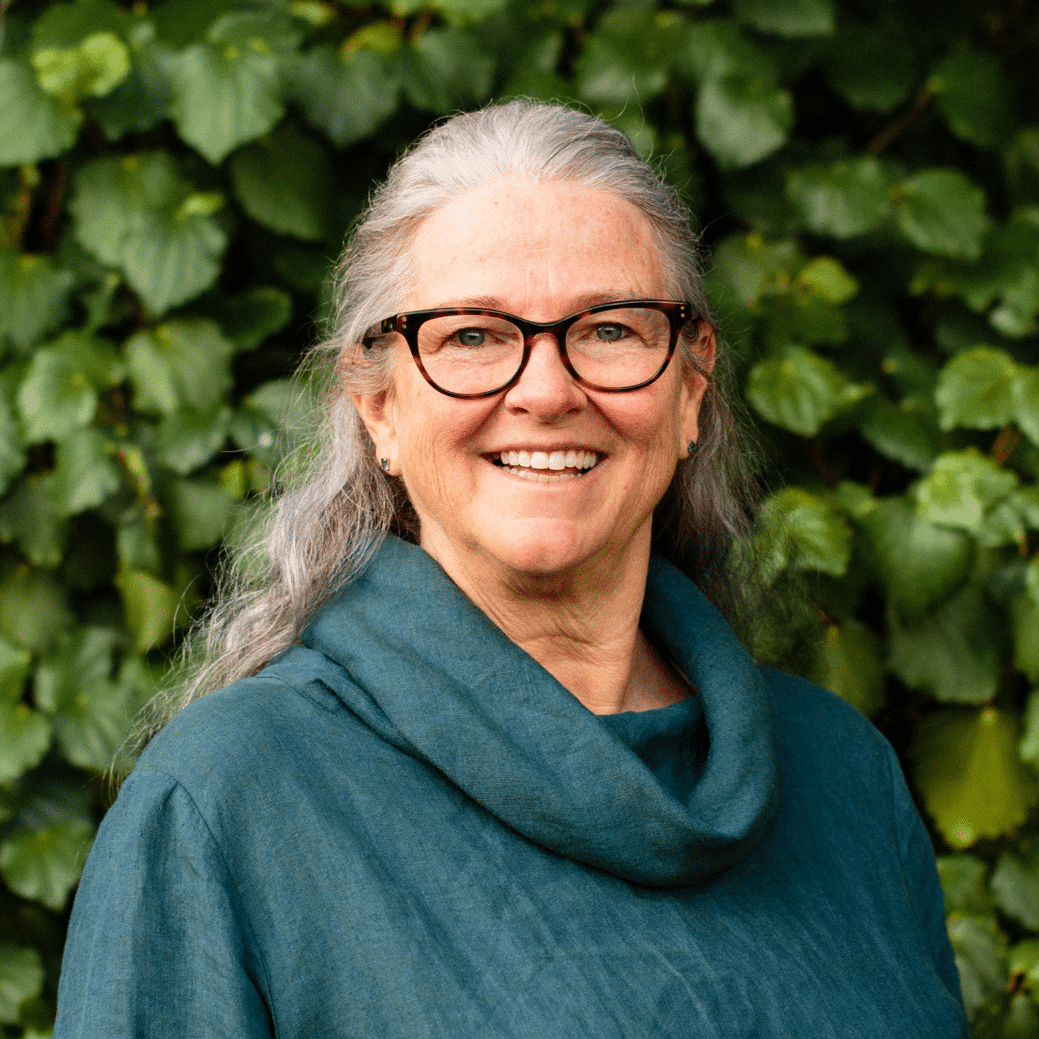
Clare Wimmer
Finance Manager
Clare supports the executive management team and board of directors offering insights and financial reports for informed decision making as well as R&D tracking, accounting, and business system. Her broad work experience includes the global medical supply industry for Baxter Scientific, BD (Becton Dickinson), immigration, tourism, building, and environmental consulting. Clare's academic background in facilitative leadership, sustainability and business research has moved regional and national not-for-profit organisations to a higher level.

Felipe Saez
Climate Risk Assistant Client Manager and Support Services
Felipe holds a Master’s in Climate Change Science and Policy. Following an internship at ClimSystems, he is now a Climate Risk Consultant and Client Manager. He works closely with clients to identify climate risk data to support them in meeting climate-related regulatory reporting requirements, conducting due diligence, and making informed decisions. His areas of interest include climate change mitigation and adaptation, international and national climate change policy, sustainable business practices, and climatology.
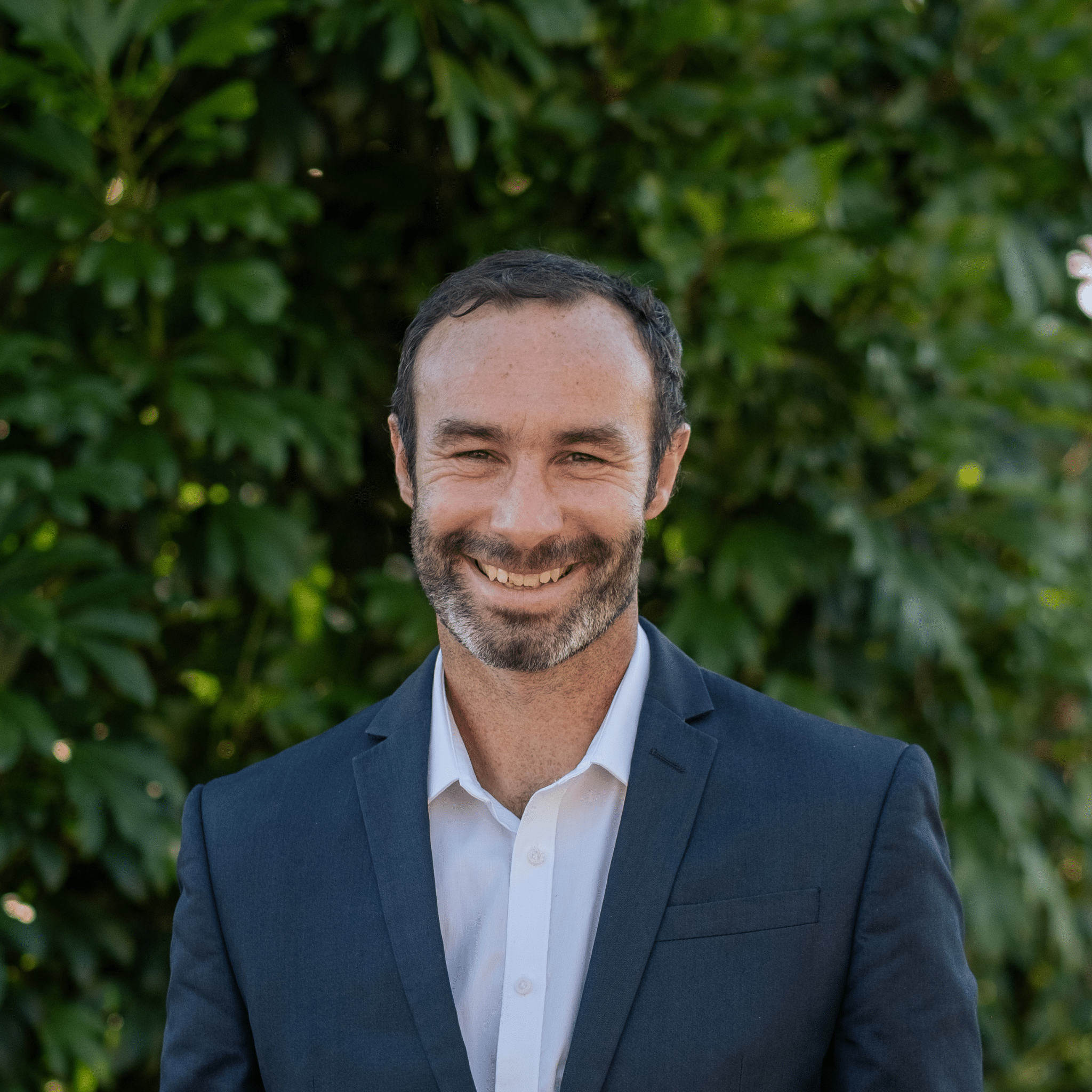
Benji Hall
Head of Sales
Benji brings over 15 years of experience building and scaling high-performing B2B SaaS sales teams across APAC and beyond. His career spans the climate technology and sustainability sector, having led sales growth at BraveGen — a carbon and emissions reporting platform — and Cogo, a fintech focused on carbon tracking for enterprise banks. A specialist in consultative enterprise selling and go-to-market strategy, Benji has a proven record of opening new markets, building sales cultures from the ground up, and driving aggressive revenue growth in complex, mission-driven environments.
Software, Data & Programming
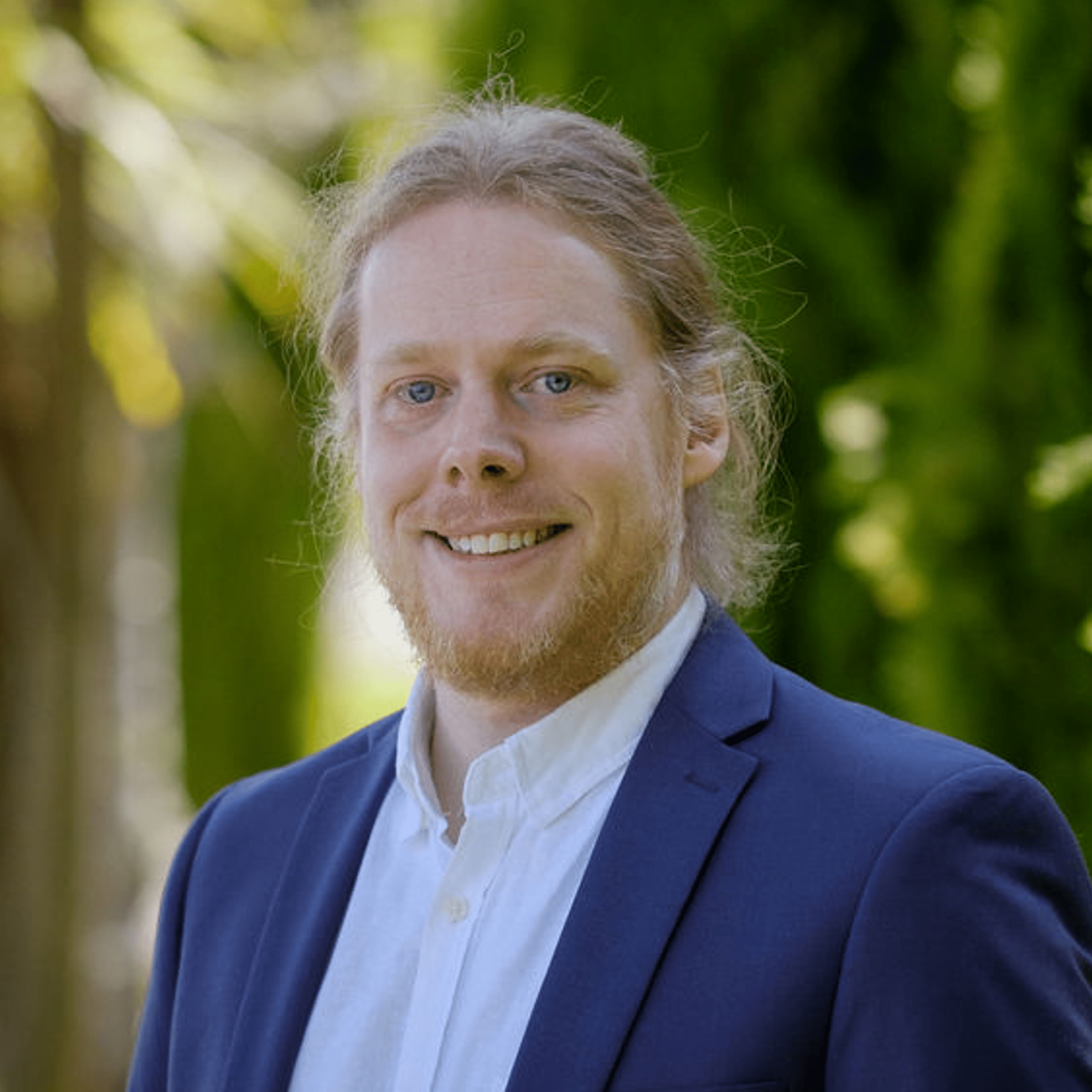
Matthew Dooley
Head of Software Development
Matthew has a Bachelor of Information Technology and experience in various desktop and web-based applications. His expertise is in developing various languages and frameworks, including Delphi, C#, Objective C, and various web technologies.
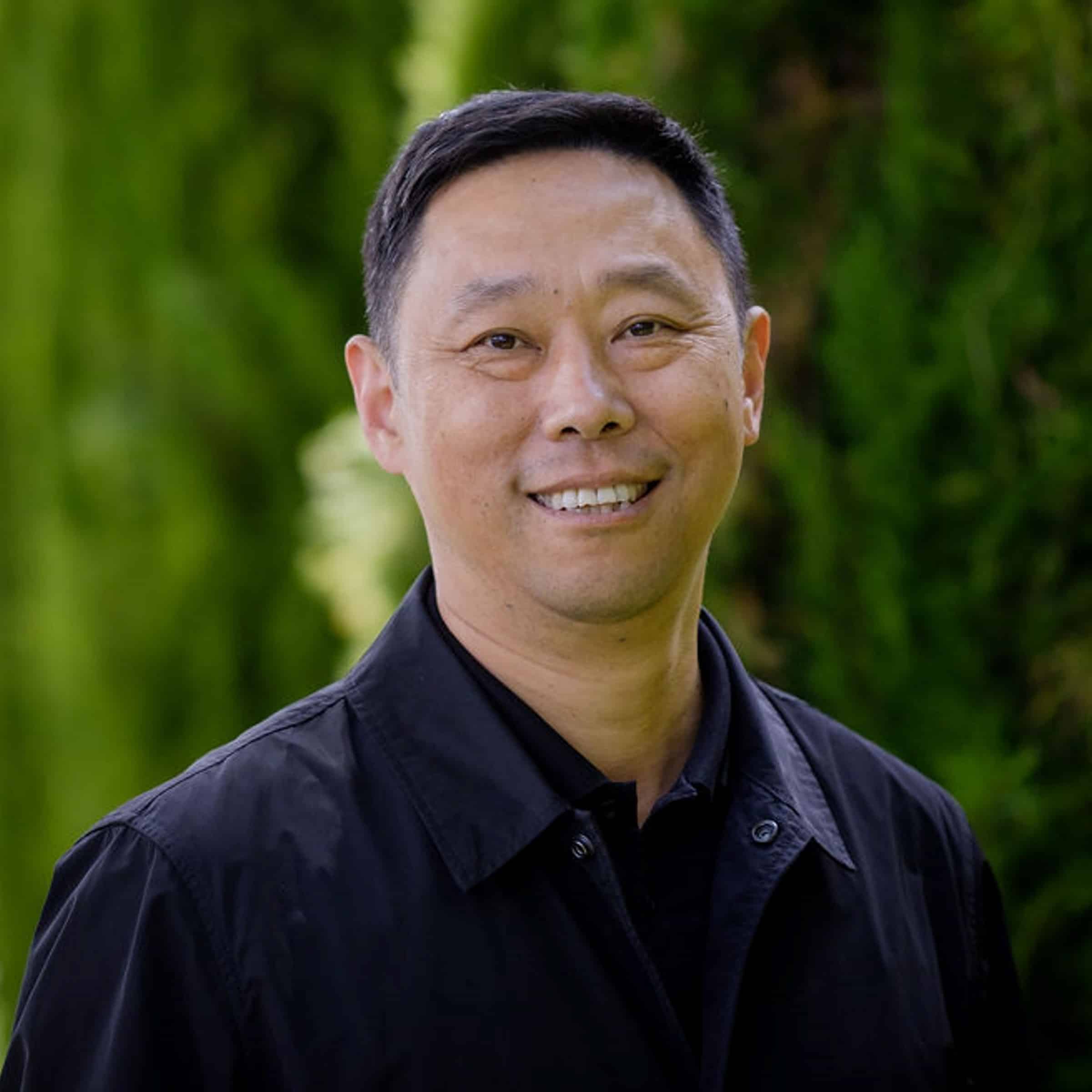
Zhaoquan (Johnny) Yu
Senior Data and Software Engineer
Zhaoquan Yu is a seasoned Senior Data and Software Engineer with over 20 years of comprehensive experience spanning software development, data architecture, system integration, and business management. With an academic foundation in both Computer Science and Atmospheric Sciences from Lanzhou University, he specializes in building robust, data-driven solutions for climate science and risk assessment.
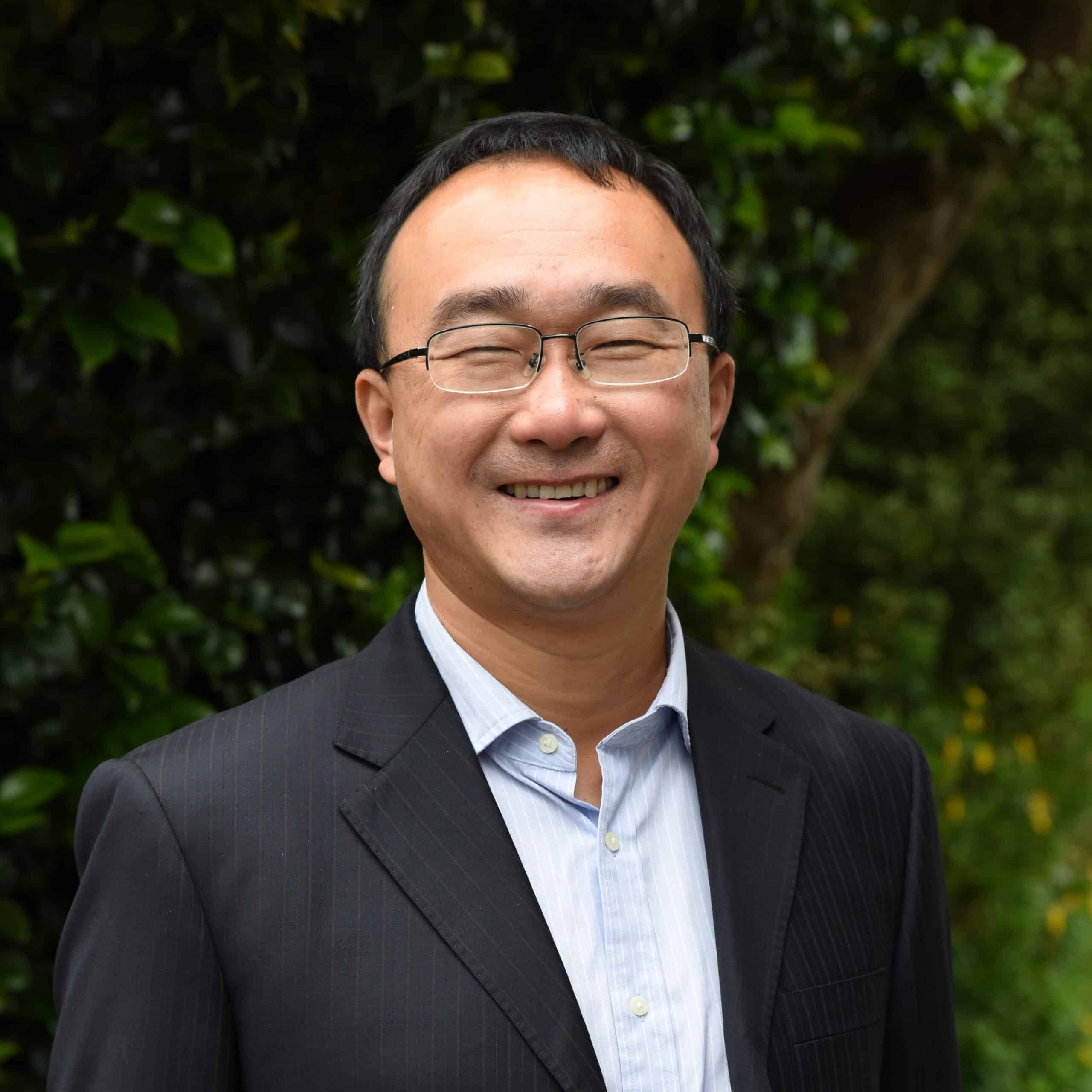
Zhenyan (Jason) Wang
Senior Software Engineer
Jason has a Masters in Information Technology with expertise in operating systems, software engineering, mobile computing and AI.
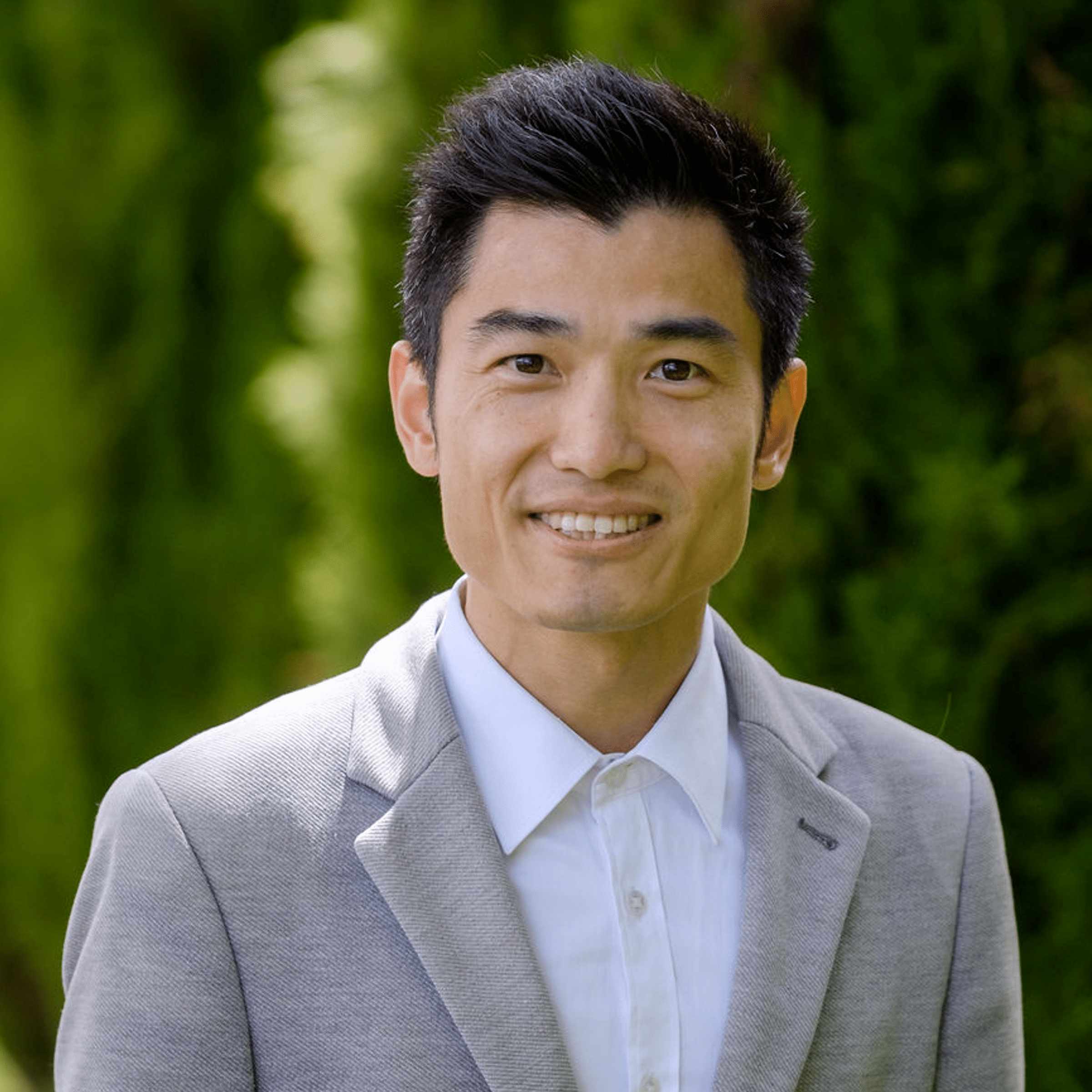
Taohua (Joshua) Wu
Data Management Analyst
As part of the data team, Joshua develops or uses existing code and programmes to augment the collection, sorting, analysis and inspection of data, as well as providing valuable data support for the implementation of scientific research. He has a Graduate Diploma in Computer Science from the University of Waikato.
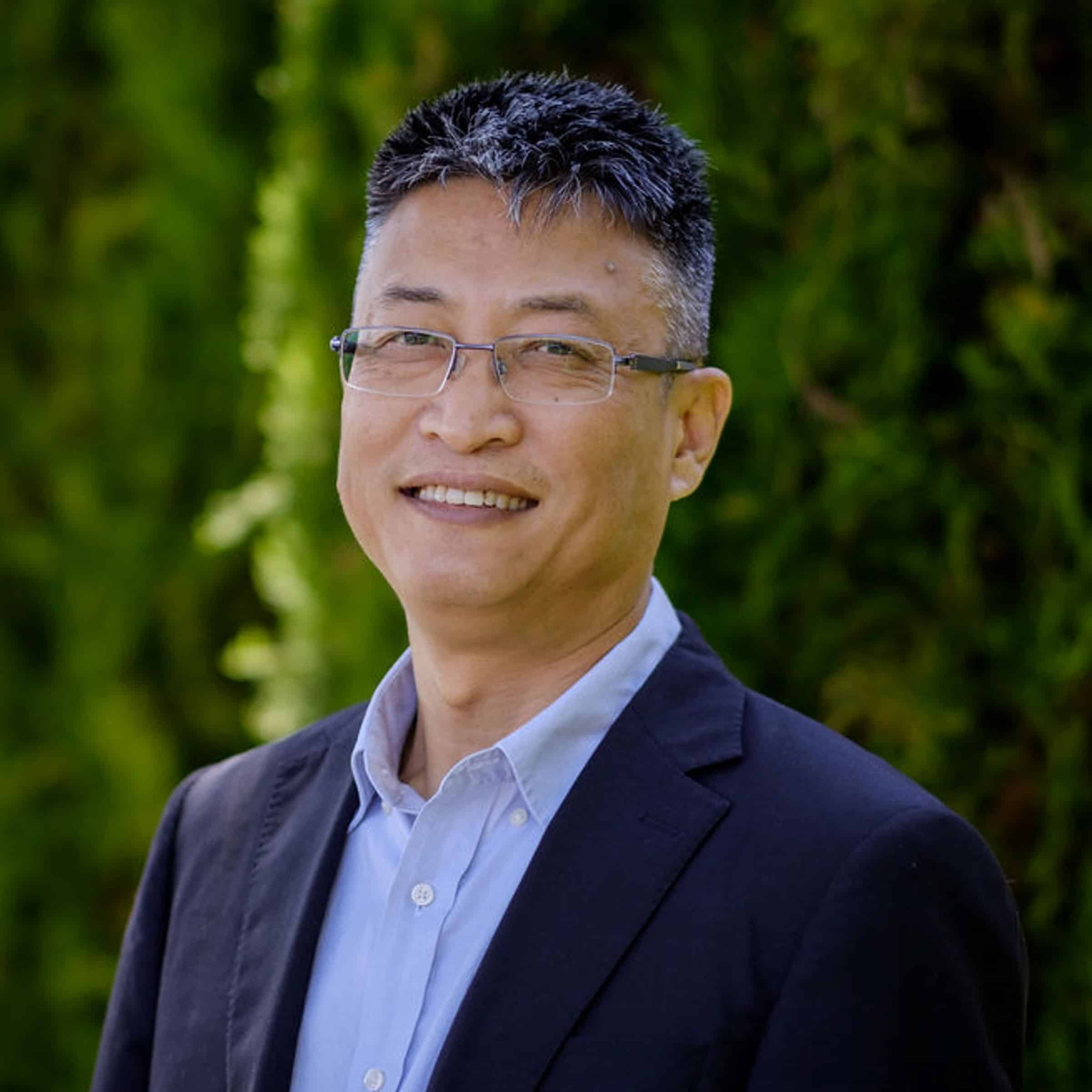
Abel Li
Data Management Analyst
Abel has a Bachelor of Applied Information Technology.
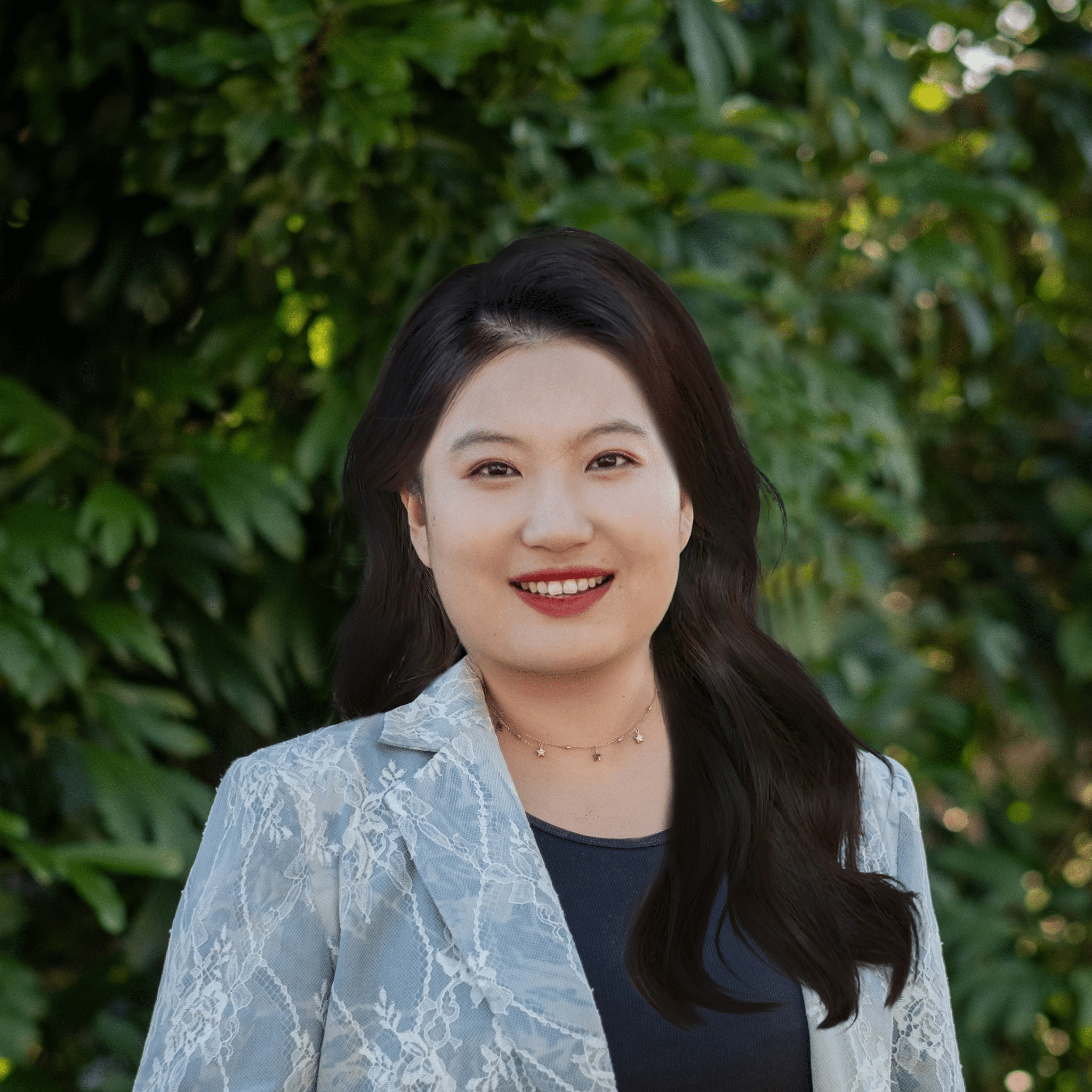
Panli Wang
Geospatial Modelling Scientist
Panli holds a Master’s degree in Applied Data Science from the University of Canterbury and a Bachelor’s degree in Geographic Information Systems (GIS). With several years of industry experience, her expertise spans geospatial data analysis, GIS, remote sensing, and Unmanned Aerial Vehicle (UAV) technologies. She is passionate about applying geospatial technologies to address real-world environmental and planning challenges.
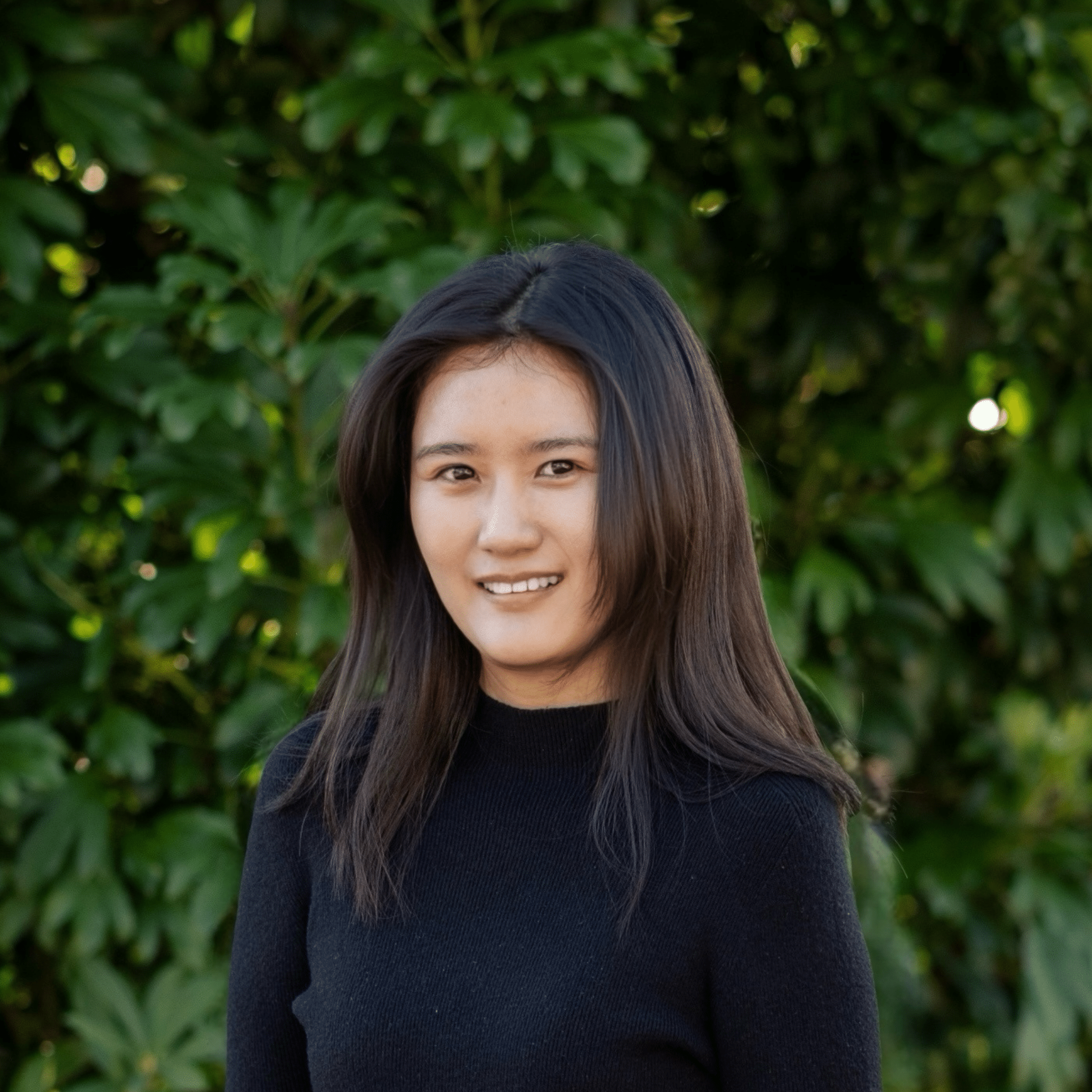
Raina (Yun) Qin
Data Engineer
Raina holds a Master’s in Information Technology and specialises in building automated data workflows and management systems for large-scale environmental and geospatial datasets. Her expertise is in developing software-based data pipelines to integrate, transform, and analyse data from multiple sources while ensuring data quality, consistency, and reliability. Raina is passionate about applying programming and automation to improve data efficiency and support data-driven outcomes for risk assessment and environmental planning.
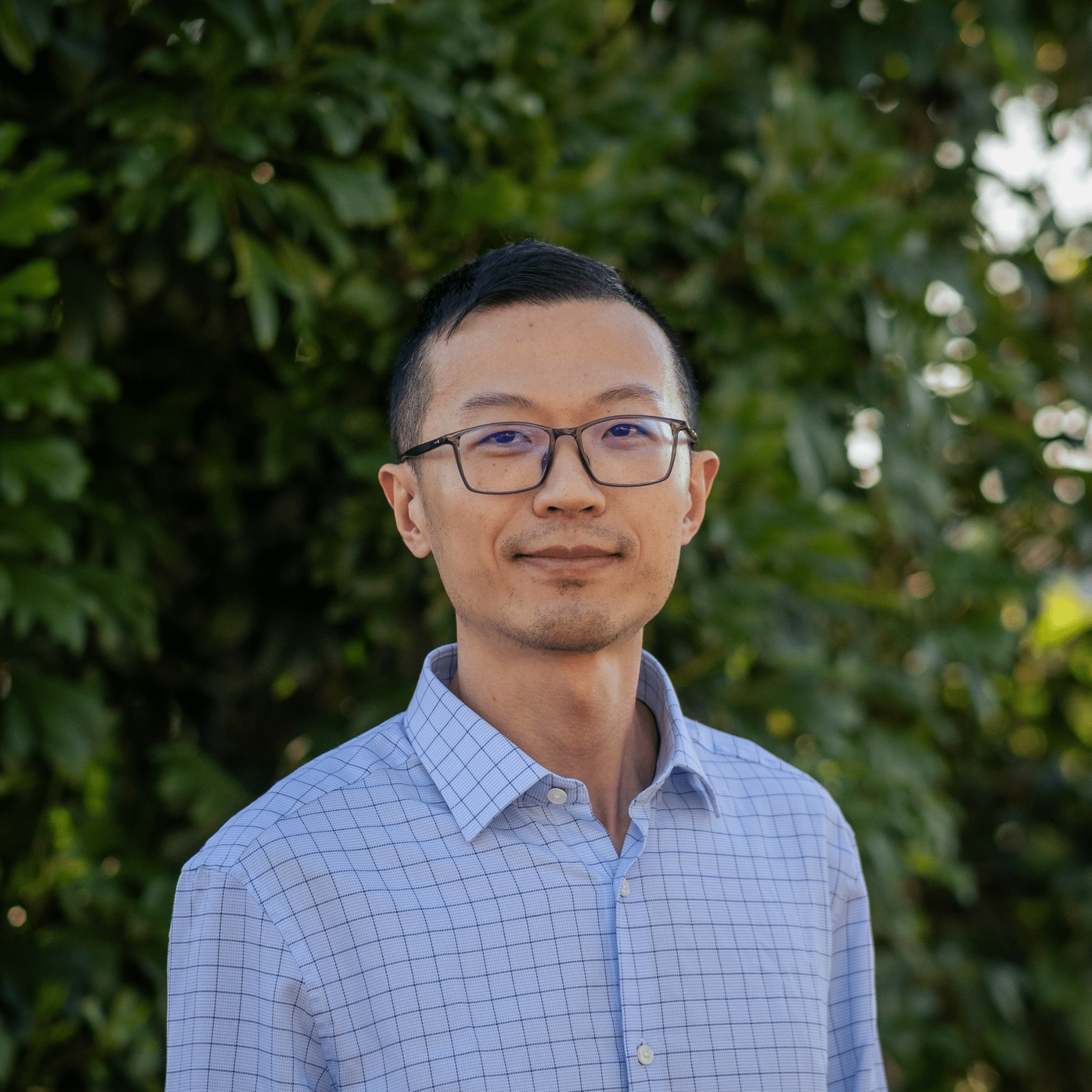
Dongpeng Cao
Data Engineer
Dongpeng holds a Master’s in Information Technology (M.I.T.) from the University of Waikato, specialising in data engineering, systems development, and large-scale data analysis. His expertise is in designing scalable data processing solutions, building efficient automated pipelines for complex climate data, and utilising data acquisition and cleaning techniques to handle multi-source heterogeneous data. With seven years of IT experience, Dongpeng supports the data team with the modelling and validation of global environmental data, providing a robust technical foundation for climate metrics assessment.
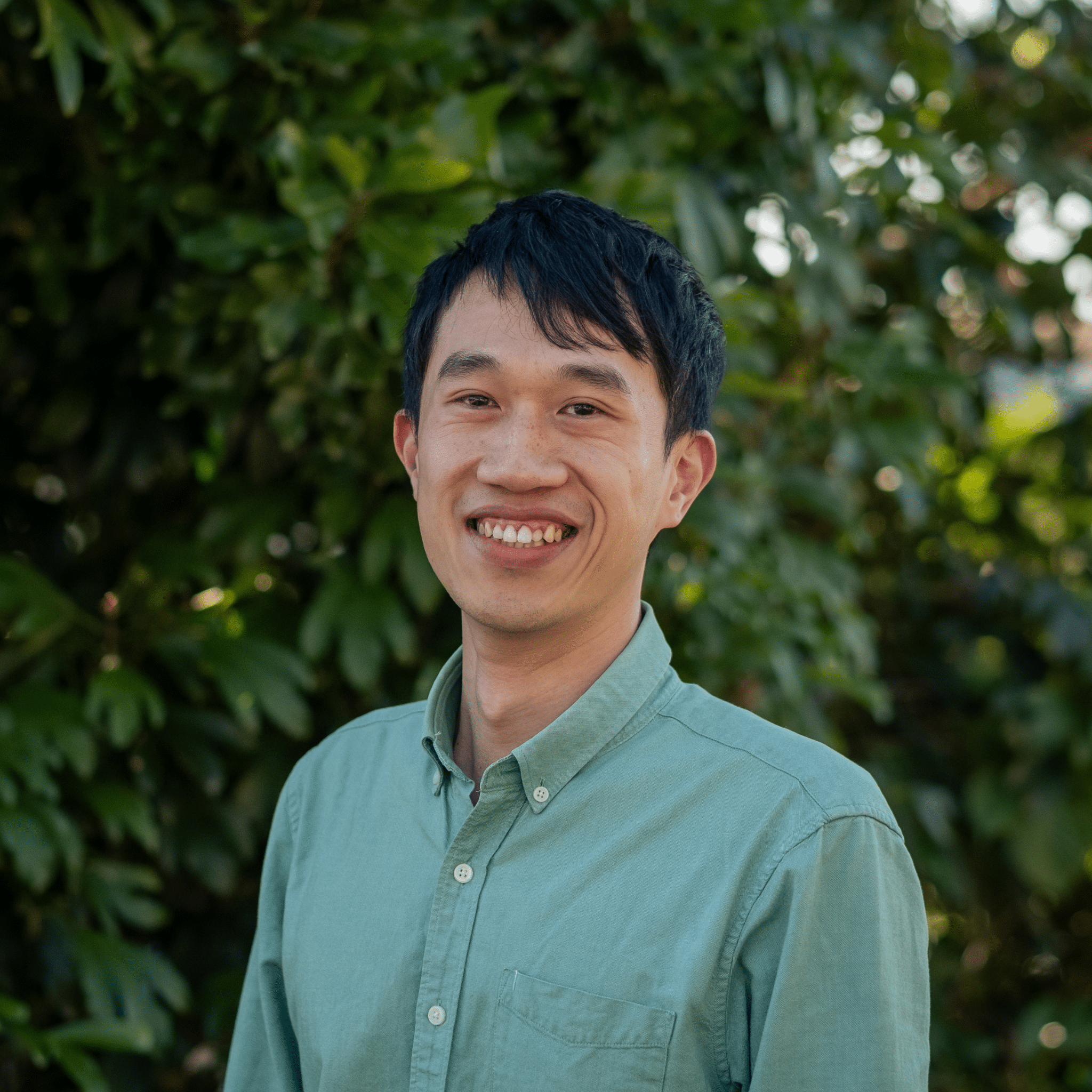
Lucas (Jie) Li
BI & AI Data Analyst
Lucas holds a Master’s in Information Technology from the University of Waikato, specialising in the processing, visualisation, and interpretation of meteorological datasets. His expertise is in developing and applying data models, analytical solutions, and business intelligence (BI) tools. As a key member of the data team, Lucas leverages these skills to deliver actionable insights and comprehensive reporting for enterprise clients.
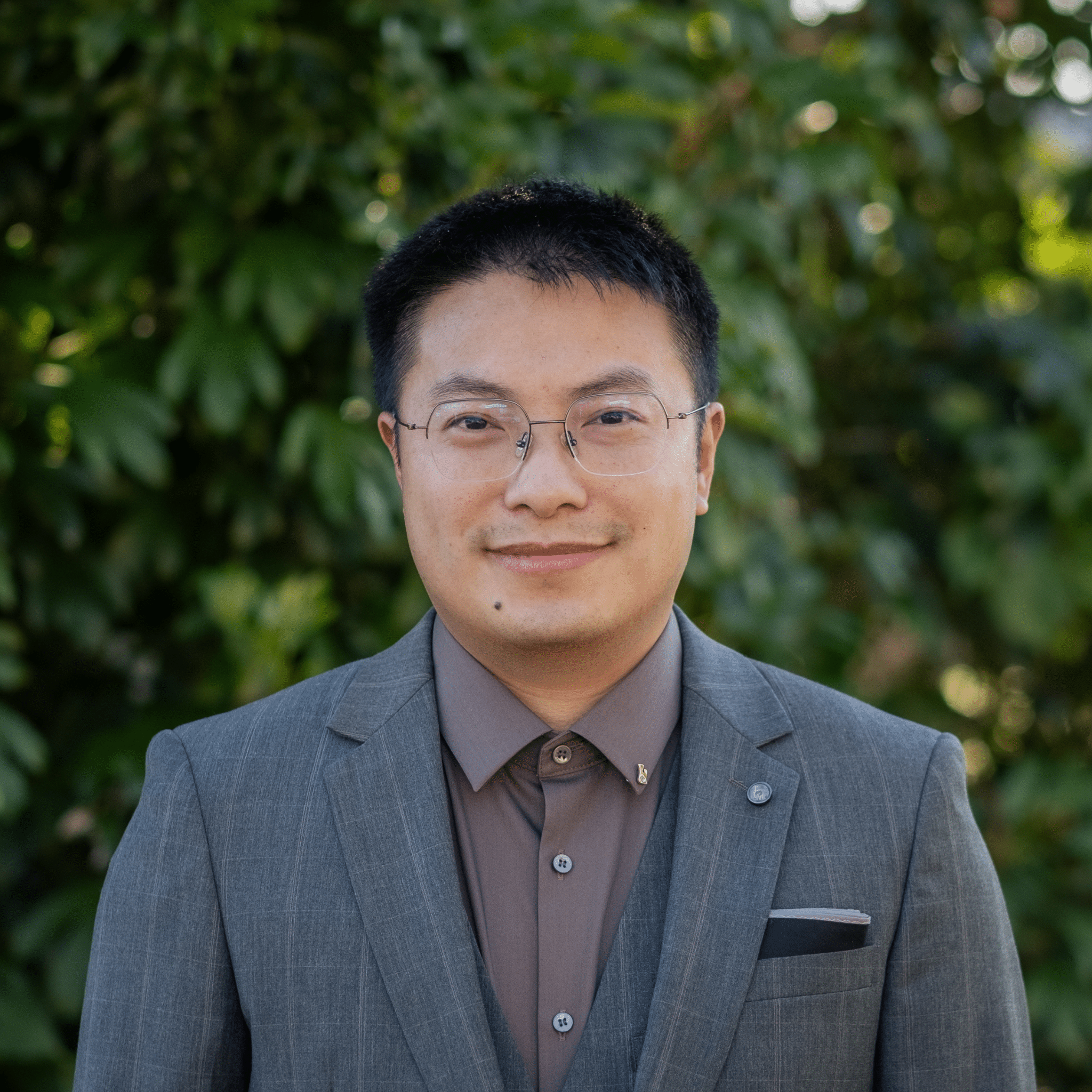
Albert (Jialin) Liu
Applied AI Developer
Albert has a background in enterprise software engineering, specialising in GIS and climate data systems. His expertise is in scalable spatial data infrastructure, spatial data processing, and high-performance geospatial querying to build geospatial visualisation platforms. He has extensive experience designing distributed systems and data-intensive platforms, focusing on integrating AI with geospatial and climate technologies to enhance environmental analytics and data accessibility.
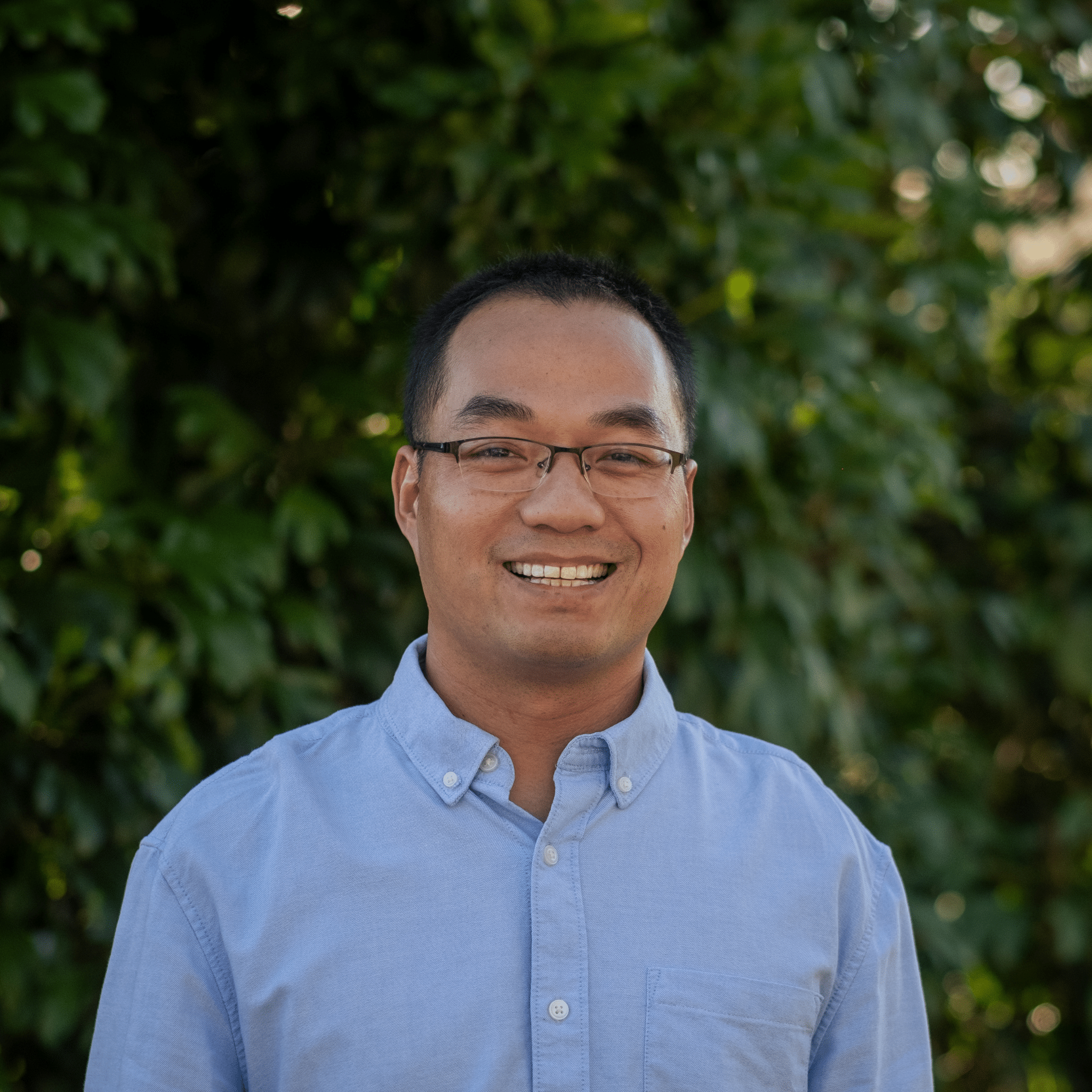
Mark (Qiang) Li
Applied AI Developer
Mark is a seasoned software engineer specialising in enterprise-grade architecture and cloud-native development. His expertise is in designing, scaling, and deploying high-performance distributed systems utilising Java, AWS, and Kubernetes. With over ten years of experience, Mark has a proven track record of full-stack delivery ranging from automated DevOps pipelines to independent middleware ERP development while driving business value through resilient system design.